
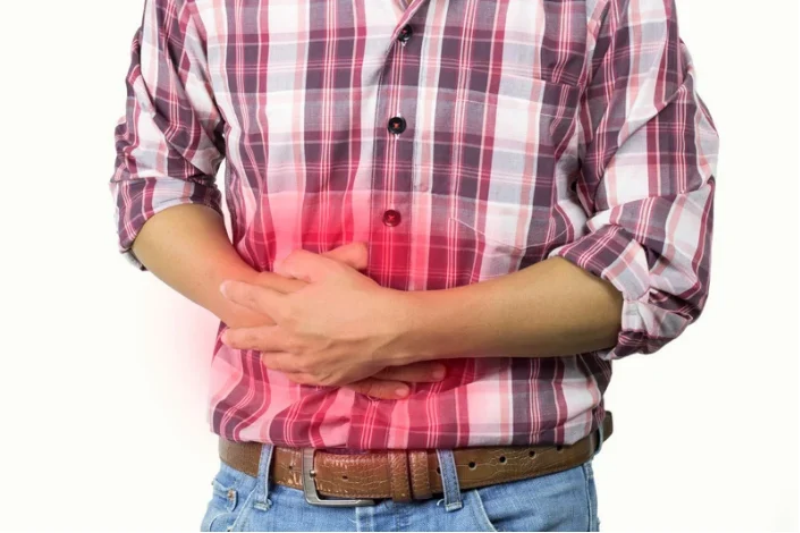
A fascinating study published in the Journal of Experimental Medicine in August 2026 caught my attention recently. Researchers infected mice with Borrelia burgdorferi, the bacterium responsible for Lyme disease, and found something interesting in an infection we don't typically think of as gastrointestinal: the intestinal barrier became more permeable.
The change happened quickly. Increased intestinal permeability was detectable within seven days of infection and persisted throughout the study period. Researchers also found evidence that bacterial products from the intestine were crossing into the circulation, along with changes in the immune system's relationship with the microbes normally living in the gut.
Even more interestingly, changes in intestinal permeability appeared before later changes in the composition of the microbiome. We often assume that an abnormal microbiome causes the intestinal barrier to become dysfunctional. This research suggests that, at least under some circumstances, the sequence may run in the opposite direction: an infection or immune disturbance may disrupt barrier function first, with microbiome changes developing downstream.
The 2026 study at a glance
7 days
Fast barrier changes
Increased intestinal permeability was detectable within a week of Borrelia infection and persisted throughout the study.
Barrier first
Microbiome second
Permeability changed before later shifts in microbiome composition, suggesting the sequence can run in the opposite direction.
Mice
Not yet proven in people
The findings come from an animal model and do not prove Borrelia causes chronic intestinal permeability in humans.
There are important limitations to what we can conclude from this research. The increased permeability was demonstrated in mice, not in people with persistent Borreliosis. The investigators did evaluate inflammatory markers in people with acute Lyme disease and found some overlapping immune changes, but this study does not prove that Borrelia causes chronic intestinal permeability in humans.
Still, I found the study fascinating for another reason. It is a great example of why I think the way we talk about “leaky gut” can sometimes be misleading.
Not because leaky gut isn't real. It absolutely is. Increased intestinal permeability is a well-described physiological phenomenon with a growing body of scientific research behind it. The problem is what happens when we turn that phenomenon into the diagnosis and stop looking any further.
What Are We Actually Talking About When We Say “Leaky Gut”?
Your intestinal lining has an extraordinarily complicated job. Every day it encounters food, bacteria, chemicals and countless other substances from the outside world. It needs to:
- Absorb nutrients and water
- Prevent bacteria, toxins and other potentially harmful substances from gaining inappropriate access to the rest of the body
The cells lining the intestine are connected by structures called tight junctions. I like to think of them as sophisticated gatekeepers rather than mortar holding together a brick wall. The intestinal barrier isn't supposed to be completely impermeable. It constantly regulates what is allowed to cross and what stays within the digestive tract.
When that system becomes disrupted, substances that would normally remain within the intestine may cross the barrier more readily. Scientists call this increased intestinal permeability. The more familiar Functional Medicine term is “leaky gut.”
The important distinction
Intestinal permeability describes a physiological state. It doesn't tell us what created that state.
Microbes Can Disrupt the Gut Barrier
Borrelia is not the only microbe that can affect intestinal barrier function. Research has demonstrated that a variety of bacteria, viruses, parasites and yeasts can disrupt the intestinal lining through different mechanisms.
Candida albicans, for example, is a yeast that commonly lives in the gastrointestinal tract but under certain circumstances can become more invasive. Experimental research has shown that Candida can damage intestinal epithelial cells and disrupt barrier integrity. Other microbes have also been associated with impaired intestinal barrier function, reinforcing the larger point: sometimes “leaky gut” may be a downstream consequence of an underlying microbial problem rather than the primary problem itself.
What We Eat and Drink Can Affect the Gut Barrier
Diet influences the intestinal microbiome, immune signaling and the cells forming the intestinal barrier itself.
Alcohol
Alcohol is one of the better-established examples, with human studies demonstrating intestinal epithelial injury and increased permeability with significant exposure.
Emulsifiers and Processed Foods
Researchers are also increasingly interested in highly processed foods and some of the additives they contain. Certain emulsifiers, used to improve the texture and stability of processed foods, have been shown to alter the intestinal environment. Human studies involving carboxymethylcellulose and carrageenan, for example, have demonstrated changes involving the microbiome, proximity of bacteria to the intestinal lining or intestinal permeability.
Sugar and Western-Style Diets
High-sugar and Western-style dietary patterns have similarly been associated with changes in intestinal bacteria, inflammatory signaling and greater movement of bacterial products from the intestine into circulation. The research doesn't support reducing this to a simple message that “sugar causes leaky gut,” but it does show that the intestinal barrier responds to the dietary environment we create for it.
Environmental Exposures Can Affect the Gut Too
The intestinal lining is one of our largest interfaces with the outside world, making it particularly relevant when we think about environmental exposures.
Mycotoxins, toxins produced by certain molds and fungi, have been shown experimentally to interfere with tight-junction proteins, increase oxidative stress and inflammation, and impair intestinal barrier function. Several different mycotoxins have demonstrated these effects, although much of the direct evidence comes from laboratory and animal research rather than controlled human studies.
There is similar experimental research involving environmental chemicals such as glyphosate and BPA. Both have been shown in laboratory or animal models to affect intestinal barrier function, microbiome composition or tight-junction regulation. We don't yet have sufficient evidence to say that typical environmental exposure to either has been proven to cause clinically significant leaky gut in humans, but the research raises important questions about how environmental exposures may affect the intestinal barrier.
Wondering what's really driving your gut symptoms?
Call (248) 289-6349How Stress Changes the Gut
The connection between the nervous system and intestinal permeability is a particularly interesting example of how the gut responds to what is happening elsewhere in the body.
Psychological Stress
Human studies have demonstrated that psychological stress can increase intestinal permeability. In one experiment, researchers reproduced the effect using a hormone involved in the body's stress response, while a mast-cell stabilizing medication prevented the permeability changes—demonstrating communication between the stress response, mast cells and the intestinal barrier.
Physical Stress
Physical stress can affect the barrier as well. Strenuous exercise, particularly in hot environments, can temporarily increase markers of intestinal injury and permeability as blood flow is redirected away from the gastrointestinal tract toward working muscles and the skin. This doesn't mean exercise is harmful to the gut. It simply demonstrates that increased intestinal permeability can sometimes be a physiological response to stress on the body.
The Bigger Picture Behind Leaky Gut
These are only a few examples of the many factors that can affect intestinal permeability. Diet, environmental exposures, microbes and physiological stress may all lead to the same downstream finding: an intestinal barrier that isn't functioning normally. In complex chronic illness, several of these factors may be occurring at the same time.
Evidence at a glance
| Upstream factor | What research shows | Type of evidence |
|---|---|---|
| Microbes (Borrelia, Candida, others) | Can damage epithelial cells and disrupt barrier integrity | Mostly animal & lab |
| Alcohol | Epithelial injury and increased permeability with significant exposure | Human studies |
| Emulsifiers (CMC, carrageenan) | Changes in the microbiome, bacterial proximity to the lining or permeability | Human studies |
| High-sugar, Western-style diet | Shifts in gut bacteria, inflammatory signaling and bacterial products in circulation | Associations |
| Mycotoxins, glyphosate, BPA | Interference with tight junctions, oxidative stress and inflammation | Mostly animal & lab |
| Psychological & physical stress | Increased permeability via stress hormones, mast cells and blood-flow changes | Human studies |
Swipe sideways to see the full table.
This is why I don't think of “leaky gut” as a root cause. It is another downstream descriptive diagnosis—a useful clue about what is happening in the body, but not necessarily why it is happening.
Supporting the intestinal barrier while it heals can certainly be valuable. Improving diet, reducing irritants, restoring adequate nutrition and supporting a healthy microbiome may all be part of that process. But if we stop there without identifying and addressing the upstream factors that disrupted the barrier in the first place, we may have limited success.
Two ways to approach leaky gut
Downstream only
- Treat the leaky gut as the diagnosis
- Focus on barrier-support products
- Symptoms may return when support stops
Downstream + upstream
- Support the barrier while it heals
- Investigate microbes, toxins, diet and stress
- Address what disrupted the barrier to begin with
Identifying leaky gut is only the beginning—the real work is figuring out what caused it. That is the idea behind our Root Cause Triad approach.
Restorative Medicine Center
Let's Look Upstream Together
If gut symptoms keep coming back despite diets and supplements, we can help you identify the microbes, exposures and stressors that may be keeping your intestinal barrier from healing.
For more insights on root-cause healing, follow Restorative Medicine Center on Facebook.
References
- Sachan S, et al. Borrelia burgdorferi disrupts gut barrier functions and microbiota–antibody interactions. Journal of Experimental Medicine. 2026;223(9).
- Vanuytsel T, et al. Psychological stress and corticotropin-releasing hormone increase intestinal permeability in humans by a mast cell-dependent mechanism. Gut. 2014.
- Gerdin L, et al. Acute psychological stress increases paracellular permeability and modulates immune activity in rectal mucosa of healthy volunteers. United European Gastroenterology Journal. 2023.
- Parlesak A, et al. Increased intestinal permeability to macromolecules and endotoxemia in patients with chronic alcohol abuse in different stages of alcohol-induced liver disease. Journal of Hepatology. 2000.
- Chassaing B, et al. Randomized controlled-feeding study of dietary emulsifier carboxymethylcellulose reveals detrimental impacts on the gut microbiota and metabolome. Gastroenterology. 2022.
- Akbari P, et al. Deoxynivalenol: a trigger for intestinal integrity breakdown. FASEB Journal. 2014.
- Robert V, et al. Candida albicans translocation through the intestinal epithelial barrier is promoted by fungal-mediated damage and barrier disruption. PLoS ONE. 2018.
- Pugh JN, et al. The effects of exercise on indirect markers of gut damage and permeability: a systematic review and meta-analysis. Sports Medicine. 2020.
- Camilleri M. The leaky gut: mechanisms, measurement and clinical implications in humans. Gut. 2019.