
Blog
Insights on Root Cause Healing
Explore our latest articles on restorative medicine.
Thank you! Your submission has been received!
Oops! Something went wrong while submitting the form.

The Physiology of Fear: Why How You Feel About Your Treatment May Matter
This article explores the mind-body physiology behind how a patient's emotional state—specifically fear versus optimism—directly influences how well they tolerate medical treatments. Drawing from research on the nervous system and the nocebo effect, the author explains how chronic illness conditions the brain to anticipate danger from new medications or supplements, triggering real physical stress and inflammatory responses. The piece emphasizes that addressing fear, communicating safety, and starting with low, manageable doses are critical clinical strategies to help the nervous system feel safe during recovery.
Can Vector-Borne Infections Be Passed From Mother to Baby?
This scientific overview investigates whether vector-borne pathogens—specifically Borrelia, Babesia, and Bartonella—can be transmitted vertically from an infected mother to her developing baby. Synthesizing human case reports, systematic reviews, and animal studies, the author demonstrates that transplacental transmission is biologically possible, with Babesia showing the strongest evidence. The piece highlights a critical gap in prenatal medicine: because routine screening is not performed, the exact frequency, clinical consequences, and effectiveness of maternal treatment remain largely uncharacterized, underscoring an urgent need for prospective research.

IACIRS: Understanding the Root Causes of Complex Chronic Illness
This article introduces IACIRS (Infection-Associated Chronic Inflammatory Response Syndrome) as a unifying, three-level framework designed to explain multi-system chronic illness. The author maps out how upstream drivers—the "Root Cause Triad" of primary stealth pathogens, environmental biotoxins (like mold), and stress-response dysregulation—converge at the midstream level to disrupt immune balance. This breakdown in regulation subsequently generates a vast array of seemingly unrelated downstream symptoms and medical diagnoses (such as IBS, fibromyalgia, and chronic fatigue syndrome).

A Comprehensive Approach to Healing Complex Chronic Illness
This article outlines an integrative, 8-layer clinical framework designed to treat complex chronic illnesses through the "Root Cause Triad"—nervous system dysregulation, stealth microbes, and environmental toxins. Rather than rushing patients through multiple protocols at once, the author advocates for a carefully sequenced, individualized strategy. Treatment begins with lifestyle foundations and nervous system regulation, moves into detoxification and fungal overgrowth, and systematically addresses nutritional pathways, parasites (like Babesia), bacterial infections (Borrelia and Bartonella), and final immune modulation.
.avif)
Dr. Mumper's 6 Principles for Thoughtful Childhood Vaccine Decisions
This article summarizes a clinical decision-making framework developed by pediatrician Dr. Elizabeth Mumper to help parents navigate childhood vaccinations. Shifting away from fear or pressure, the framework highlights the legal and ethical right to informed consent, urging parents to analyze each vaccine independently rather than as a single "one-size-fits-all" mandate. The text discusses evaluating a child’s specific family history (allergies, autoimmunity, or neurological concerns) and covers practical clinical options, such as using alternative, spaced-out, or modified timing schedules to reduce cumulative exposures during infancy

Why Does Your Treatment Plan Keep Getting Bigger While Your Life Keeps Getting Smaller?
This philosophical piece addresses the common trap where patients accumulate an overwhelming list of daily medications, supplements, and restrictive protocols without seeing lasting improvements. The author utilizes a river analogy to illustrate that both conventional and functional medicine often default to managing "downstream" symptoms (e.g., fatigue, bloating, insomnia) rather than correcting the fewer "upstream" drivers (such as hidden infections, mold, or nervous system dysfunction) at their origin. True root-cause medicine aims to simplify treatment by identifying the fewest possible drivers explaining the widest array of symptoms.

Are Neuropsychiatric Symptoms in Borrelia, Bartonella, and Babesia Caused by Infection, Autoimmunity, or Both?
This article tackles the medical debate regarding whether lingering neuropsychiatric symptoms (anxiety, OCD, depression, brain fog) in Lyme, Bartonella, and Babesia cases are caused by active infection or secondary autoimmunity. Highlighting a recently published study, the text explores a specific, treatable autoimmune pathway: Folate Receptor Alpha Autoantibodies (FRAAs). When triggered by infection, these autoantibodies block folate transport into the brain, resulting in Cerebral Folate Deficiency (CFD). The author moves past the "infection vs. autoimmunity" false dichotomy, proposing that both often coexist and explaining how a clinical trial of folinic acid can serve as a powerful downstream treatment option.

PANS, PANDAS, Autoimmune Encephalitis, and the Bigger IACIRS Picture
This article reevaluates acute neuropsychiatric conditions like PANS, PANDAS, and autoimmune encephalitis through the broader IACIRS (Infection-Associated Chronic Inflammatory Response Syndrome) framework. While conventional care focuses primarily on immediate triggers (like streptococcal infections) and symptom suppression via immune modulators (IVIg), the author argues these events merely "flip the switch" on a highly vulnerable immune system. Long-term recovery requires addressing a pre-existing "Root Cause Triad" consisting of stealth microbes, environmental biotoxins (such as mold), and chronic nervous system dysregulation.

Why I Recommend Cerewell - And How to Get the Most Out of It
This article features a physician's recommendation for using Cerewell, a health-timeline and symptom-tracking platform, to navigate complex chronic illness. Rather than relying on memory during infrequent clinical visits or focusing solely on static lab values, Cerewell allows patients to visualize long-term health trends. The author provides practical tips for optimization: focusing tightly on 5–20 key quality-of-life symptoms, logging major baseline root diagnoses, and charting specific treatment interventions or environmental exposures as they occur to map actionable clinical patterns

How to Interpret Your DNA Connexions Superfloss Lyme Panel Results
This clinical guide helps patients decipher the results of a DNA Connexions Superfloss Lyme Panel. It explains laboratory reporting terminology, clarifying the difference between absolute positive markers and borderline results like IND (Indeterminate) and NPS. The article addresses why false negatives occur due to the intermittent shedding behavior of vector-borne pathogens and debunks geographic misconceptions about rare strains. Finally, it highlights why direct PCR testing provides an entirely different clinical perspective compared to conventional antibody-based ELISA screenings.

Understanding Your MycoTOX Results: What Do They Really Mean?
This article breaks down how to accurately interpret a Mosaic Diagnostics MycoTOX profile urine test. It dispels the misconception that all elevated mycotoxins signal a current, active environmental mold issue. By examining specific clearance windows, the text contrasts Mycophenolic Acid (MPA)—a strong indicator of recent exposure within 7–10 days—with Ochratoxin A (OTA), which can linger and often stems from dietary sources. Ultimately, the author emphasizes that the test measures toxin excretion rather than illness severity, requiring careful integration with a patient's history.

When Symptoms Worsen During Treatment: Is It “Die-Off” or a Medication Reaction?
This article addresses a critical challenge in treating complex chronic illness: deciphering why symptoms temporarily worsen during treatment. It provides a practical framework to differentiate between a Jarisch-Herxheimer ("die-off") reaction—which typically manifests as an amplification of a patient's existing, familiar symptom pattern—and medication side effects, which tend to introduce entirely new, unexpected issues. The author underscores that signs of genuine allergic reactions must never be dismissed as die-off, and advises patients to work closely with clinicians to adjust pacing and monitor patterns carefully.

Rethinking Hypermobile EDS: Genetics, Environment, and the Role of Chronic Infection
This article introduces a "two-hit" model for Hypermobile Ehlers-Danlos Syndrome (hEDS), moving past the traditional view that it is a purely static, genetic condition. Because hEDS lacks a single confirmed genetic marker, the author suggests that underlying polygenic vulnerabilities interact with environmental triggers. Specifically, chronic vector-borne infections like Bartonella and Borrelia burgdorferi (Lyme) can trigger immune dysregulation, elevate matrix metalloproteinases (MMPs), and disrupt collagen turnover, thereby unmasking or worsening joint instability and connective tissue dysfunction.

Chronic Endotoxemia: A Missing Link in Complex Chronic Illness
This article explores chronic low-grade endotoxemia, a condition where the bacterial toxin lipopolysaccharide (LPS) escapes an imbalanced gut microbiome (dysbiosis) through a compromised intestinal barrier ("leaky gut") into the bloodstream. Once in circulation, LPS repeatedly triggers Toll-like receptor 4 (TLR4), causing systemic, low-grade inflammation that manifests as chronic fatigue, brain fog, and joint pain. The author explains how environmental toxins, chronic infections, and fight-or-flight stress create the biological conditions for this leak, and outlines direct gut therapies like dietary changes, targeted probiotics, barrier nutrients, and binders to reduce the endotoxin burden.

Why Focusing “Downstream” Keeps You Stuck (and What Actually Works)
This article addresses the common frustration of cycling through multiple chronic diagnoses like thyroid dysfunction, MCAS, SIBO, and adrenal fatigue without achieving lasting resolution. The author explains that these conditions are often "downstream" expressions of "upstream" stressors. True healing requires shifting focus away from symptom "whack-a-mole" to consistently address a triad of primary root causes: hidden microbes, biotoxins/mycotoxins, and a nervous system trapped in chronic fight-or-flight mode.

What Helps ME/CFS? A Story Most Patients Recognize—and What It Reveals About Recovery
Inspired by a real-life case of misdiagnosed chronic illness, this article explores how symptoms like fatigue and brain fog are often dismissed by conventional medicine. It frames ME/CFS and fibromyalgia not as random occurrences, but as downstream effects of the "Root Cause Triad": toxins (like mold), microbial burden, and nervous system dysregulation. The author argues that true recovery requires shifting focus from symptom management to identifying and removing these biological drivers.

What If It’s Not “Just Autism”? Looking Upstream at What’s Driving Symptoms
This article challenges the traditional focus on managing the "downstream" behavioral symptoms of autism. By highlighting the variability in a child's symptoms, the author introduces a "Root Cause Triad"—Toxins, Microbes, and Physiologic Stress—as upstream factors that increase the load on a child's system. The goal is to move from simple symptom management to a more stable, individualized approach by addressing these underlying biological drivers.

A Smarter Approach to Toxin Removal - Moving Beyond Cleanses
Moving away from the "quick fix" mentality of short-term cleanses, this article advocates for a lifestyle-based approach to detoxification. It outlines a comprehensive strategy for managing continuous environmental exposure by reducing toxic load, supporting the liver and lymphatic system, using binders to prevent toxin recirculation, and ensuring consistent elimination through movement and sauna use.

Ivermectin: A Useful Tool Caught in a Cultural Crossfire
This article navigates the cultural controversy surrounding Ivermectin, distinguishing its politicized reputation from its clinical utility. It highlights Ivermectin's history as a safe, Nobel Prize-winning antiparasitic and explores its emerging importance as an adjunctive therapy for resistant Babesia species. The author advocates for its thoughtful, human-grade use as a practical tool in broader restorative treatment strategies.

Finding Your “Go-To” Combination
This article advocates for a shift from complex, overwhelming protocols to a "go-to combination" of the most effective interventions. It emphasizes a staged approach: gaining clarity through direct testing of microbes and toxins, supporting detoxification foundations, and layering treatments thoughtfully to avoid system overwhelm. The ultimate goal is to reduce complexity and achieve long-term stability by focusing on upstream drivers rather than downstream symptoms.
Testosterone, Immune Tone, and the “Why Does He Feel Fine?” Question
This article explores the physiological reasons behind why family members carrying the same pathogens can have vastly different symptom profiles. It focuses on the role of testosterone as an "immune signal" that modulates inflammatory pathways. The author suggests that higher testosterone levels may lower the "volume" of the immune system, allowing some men to coexist with infections (quiet carriage) until hormonal shifts or age-related declines unmask the underlying inflammatory state.
.avif)
When Lyme Disease Reaches the Uterus: Rethinking Borrelia and Women’s Health
This article explores the intersection of vector-borne infections (like Lyme disease) and reproductive health. It challenges the traditional separation of hormonal and infectious treatments, highlighting research that shows how Borrelia burgdorferi can cause uterine pathology and immune dysregulation. The author argues that menstrual changes and pelvic pain during treatment may not be "hormonal chaos," but rather the immune system "reporting" on the underlying infection within reproductive tissues.

Chronic Headaches: Looking Upstream Instead of Just Treating Pain
Persistent headaches may not be mere stress or sinus issues, but a signal of underlying immune activation, often linked to vector-borne infections.

Could Infections Be Contributing to the Rise in Severe Adolescent Mental Health Disorders? A Small Case Series Raises Important Questions
A small study of ten adolescents in residential mental health treatment explored if "Microbial Induced Autoimmune Inflammation" (like PANDAS/PANS) contributes to treatment-resistant depression and anxiety.
.avif)
Could Borrelia Be Passed From Mother to Baby? A 2026 Case Report Highlights Why We Still Don’t Know Enough
A 2026 Microorganisms case report suggests potential mother-to-child Borrelia (Lyme disease) transmission. The study found Borrelia DNA and live spirochetes in placental and child samples using advanced microscopy and PCR, even with inconclusive antibody tests.

Test Results Are Information. Here’s How to Use Them Wisely.
This post examines the psychological toll of medical testing on chronic illness patients. It suggests reframing worry as an unproductive stressor by shifting focus from "Should I worry?" to "Is there an action to take?"

ADHD, Circular Reasoning, and the Disease Delusion
The article challenges the traditional ADHD diagnosis, calling it a "circular reasoning" trap. It proposes that ADHD symptoms are "downstream" effects of "upstream" root causes and that treating these underlying causes can reduce or eliminate the need for stimulant medication.

When Depression Is the Body Asking for Help
This article challenges the traditional "chemical imbalance" model of depression, reframing it as "sickness behavior" driven by the immune system. It explains how inflammatory signals from infections, toxins, or chronic stress affect the brain’s motivation and energy levels. By viewing depressive symptoms as signals rather than a fixed identity, the text encourages looking "upstream" for physiological triggers. It concludes that true healing often occurs when the underlying immune dysfunction is addressed, allowing the brain to exit its defensive, withdrawn state.

Listening to What Weight Gain Is Trying to Tell Us
This article reframes persistent weight gain not as a behavioral failure, but as a physiological defense mechanism triggered by chronic inflammation. It explains how upstream drivers—such as infections, toxins, and stress—disrupt metabolism, leading to functional thyroid resistance and insulin issues. While highlighting the role of GLP-1 medications as helpful tools for stabilization, the text emphasizes that sustainable weight loss occurs when the underlying immune stressors are identified and addressed, allowing the body to stop "defending" itself through fat storage
A Pediatric Story of Recovery From Infection-Driven Immune Dysfunction
This article outlines the non-linear journey of a pediatric patient recovering from IACIRS triggered by Lyme disease and other co-infections. It breaks down the recovery into four distinct phases: from the dominance of root causes and severe symptoms to eventual stability and treatment simplification. The narrative emphasizes that healing isn't about "fixing" the immune system, but about identifying and reducing the underlying drivers (infections, stressors, and environmental factors) that keep it in a state of constant activation.
.avif)
Post‑COVID B‑Vitamin Intolerance: When Support Becomes Stimulation
Lately, many patients with complex inflammatory illnesses find that once-helpful supplements—especially B vitamins—now worsen their condition. Multivitamins that were once neutral can now trigger anxiety, poor sleep, flushing, acne, or histamine flares. Instead of feeling supported, they feel wired, inflamed, or overstimulated.
.png)
Why the Question of Persistent Borrelia Still Matters
The article examines a pivotal 2026 literature review by Stricker, Fesler, and Johnson that addresses the long-standing controversy of persistent Lyme disease. By analyzing 56 animal and human studies, the review dismantles the common medical assumption that Borrelia burgdorferi is always eradicated by a short course of antibiotics.
DNA Connexions SuperFloss Lyme Panel: Direct Evidence in a World of Indirect Tests
Patients often complain, "I've been tested for Lyme and other tick infections, but the results are never clear." This understandable frustration often stems from how testing is conducted.

Why Brain Fog Is So Common—and So Misunderstood
This article explores brain fog as a functional impairment caused by the brain's response to systemic physiological stress rather than permanent structural damage. It identifies key upstream drivers—including toxins, chronic infections, and persistent stress physiology—that lead to neuroinflammation and mitochondrial dysfunction. By highlighting specific downstream mechanisms like Cerebral Folate Deficiency (CFD) and the limitations of "quick-fix" nootropics, the text argues that lasting cognitive clarity is achieved by addressing the Root Cause Triad to quiet inflammatory signaling and restore the brain's energy production.

Fatigue: A Downstream Signal of Immune Imbalance, Not a Personal Failure
This article reframes chronic fatigue as a strategic "energy reallocation" by the body rather than a simple lack of willpower or rest. It explains how the immune system, when activated by infections or toxins, uses inflammatory signals (cytokines) to prioritize survival over physical and cognitive stamina. By identifying fatigue as a downstream signal of upstream stressors—such as mitochondrial stress and persistent "fight-or-flight" physiology—the text provides a hopeful perspective: energy returns not by "pushing through," but by resolving the underlying immune imbalances within the Root Cause Triad.

When Anxiety Is a Signal from the Immune System
This text explores the physiological origins of anxiety, reframing it as an immune system response rather than a purely psychological issue. It explains how cytokines and chronic inflammation trigger the amygdala, creating a feedback loop where the body remains in a state of hyper-reactivity regardless of external stress. By shifting the focus from neurotransmitter imbalances to upstream immune drivers—such as infections, toxins, and the Root Cause Triad—the author suggests that addressing the body's internal strain is the key to resolving persistent, treatment-resistant anxiety.
What Patients Are Teaching Us: Reflections on the MyLymeData 2025 Research Chartbook
This article reflects on the findings of the MyLymeData 2025 Research Chartbook, a longitudinal patient-powered registry. The data suggests that successful "high responders" typically benefit from longer, consistent treatment durations (often over a year) and a comprehensive approach rather than isolated antimicrobial therapy. By aligning these findings with the IACIRS framework and the Root Cause Triad—addressing infections, toxins, and stress-response dysregulation simultaneously—the text highlights that durable healing from tick-borne illness is a gradual, cumulative process that requires addressing the body's full physiological picture over time.

Rethinking Parasites: What I See in My Patients
Clinical data shows parasites are often secondary issues. Learn why cleanses feel effective due to antifungal effects or accidental Babesia treatment, not worms.
CDC Validates Chronic Lyme
The CDC now validates chronic Lyme as a real biological condition. Learn how this shift supports the IACIRS model and addresses root-cause immune dysregulation.

Understanding Your Plan Improves Healing
Understand how root-cause medicine turns symptoms into clues, reduces nervous system stress, and empowers your healing journey through active partnership.

When the Body’s Alarm System Won’t Shut Off:
MCAS, hEDS, and POTS are often treated as separate conditions—but they’re usually downstream effects of a deeper immune imbalance. In this blog, Dr. Teresa Birkmeier-Fredal explains how chronic stealth infections, toxins, and stress can trigger IACIRS—disrupting mast cells, eroding collagen, and destabilizing circulation. Understanding the root cause offers a clear path to healing.

Epstein–Barr Virus: A Downstream Flag of Immune Dysfunction, Not the Root Cause
Many patients are told they have "reactivated Epstein–Barr virus" — but high antibody levels aren’t the whole story. In this article, Dr. Teresa Birkmeier-Fredal explains why EBV is more often a downstream signal of immune dysfunction, not the root cause of fatigue, brain fog, or autoimmunity. Learn how stealth infections, toxins, and chronic stress weaken your body’s defenses and allow dormant viruses to resurface — and how to shift from chasing viruses to healing the deeper imbalance.
Infection, Inflammation, and the Mind:
New research shows doxycycline may reduce the risk of schizophrenia—offering fresh insight into the powerful role of chronic infections and inflammation in mental health. Dr. Teresa Birkmeier-Fredal explains how stealth microbes like Borrelia (Lyme) may prime the brain’s immune system and why treating infection may be key to preventing serious psychiatric illness.
Getting to the Root of Chronic Illness: Who Should Consider IACIRS Testing and Treatment
If you're accumulating diagnoses like thyroid issues, autoimmune conditions, chronic fatigue, fibromyalgia, or mast cell activation, you're not alone. Often, these conditions are not isolated problems but rather the body's warning signs that an underlying issue has been neglected.
Candida, Aspergillus, and the Fungal Side of IACIRS
Infection-Associated Chronic Inflammatory Response Syndrome (IACIRS) is often linked to tick-borne infections, but fungal overgrowth (from Candida and Aspergillus) is a significant, overlooked contributor. These fungi can cause inflammation, toxins, and immune imbalances that drive IACIRS.

Why Leucovorin Works in Autism
Why are folate levels often normal in kids with autism—but their brains still starved of it? The answer lies in immune-driven folate transport issues—and why Leucovorin works when other forms don’t.
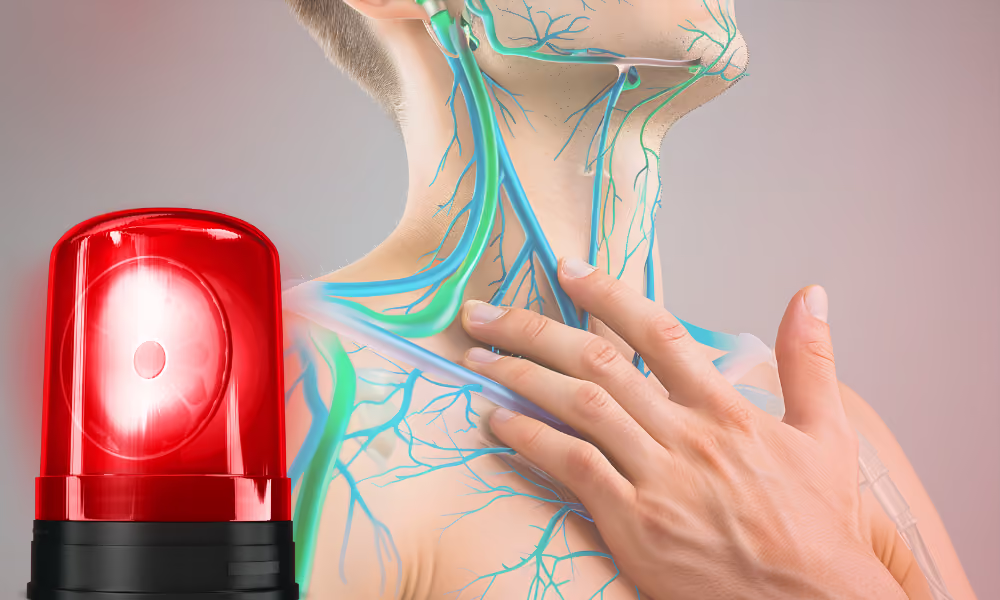
When Microbes Masquerade as Mood Disorders: What New Research on Pediatric Bipolar Disorder Reveals
What if your child’s mood swings or rage episodes aren’t psychiatric at all—but immune-driven responses to stealth infections? A new study suggests just that.

“I Just Don’t Want to Be Sick Anymore”:
Your labs may show Candida or chronic infections—but that doesn’t mean you are “sick.” Here’s why mindset is just as vital to healing as medicine.
.avif)
The THC Treadmill: Why Daily Feels “Necessary”
Feeling like THC is the only thing that keeps you functioning? It might be treating its own withdrawal. Learn how to reset your brain—and reclaim your clarity.

Why Folic Acid and Cyanocobalamin Don’t Belong in Your Supplement Cabinet
Not all B vitamins are created equal. Learn why folic acid and cyanocobalamin may be doing more harm than good—and which forms truly support healing.

Menopause Symptoms: When Hormones Aren’t the Whole Story
Hot flashes and brain fog aren’t always “just menopause.” When hormone therapy falls short, it’s time to look upstream at inflammation and immune dysfunction.
.avif)
First-Line Support for GI Symptoms: What I Recommend Most Often
Gas, bloating, reflux, or constipation? These simple, first-line tools—like enzymes, zinc carnosine, and probiotics—can offer meaningful relief right away.
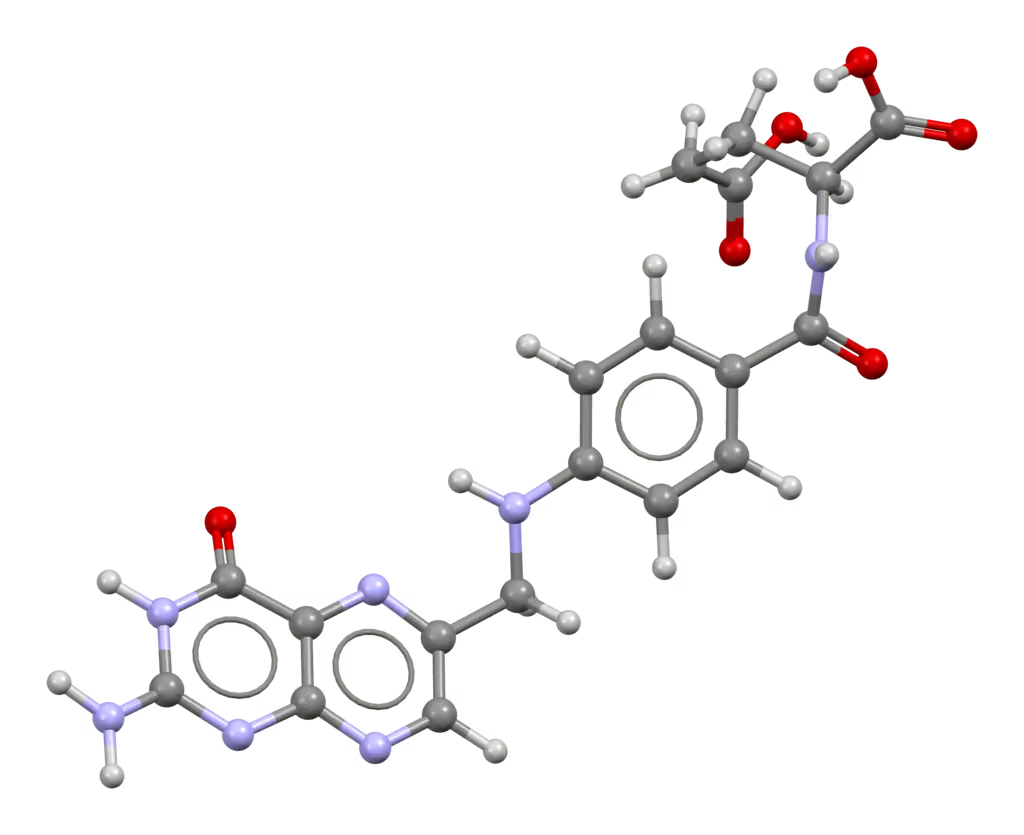
Folinic Acid: The Unsung Hero for IACIRS Recovery
If your symptoms flare during treatment—even with the “right” supplements—cerebral folate deficiency might be the missing link. Discover how folinic acid can bypass blocked pathways and support the brain during IACIRS recovery.

Keep Calm and Cover the Root Causes: The Real Answer to “How Long Will This Take?”
Healing isn’t about finding the one “magic” protocol—it’s about calmly and consistently addressing your root causes, at a pace your body can handle. This post breaks down the most honest answer to the question every patient asks: “How long will this take?”

Supporting Your Child Through a Blood Draw
With the right preparation, you can help your child feel calm, supported, and even proud of their bravery. Here’s how to make the experience easier for both of you.

How to Get the Most Out of Your Follow-Up Appointments
These simple, thoughtful tips can help make each follow-up visit more focused, productive, and empowering—so your treatment plan evolves with clarity and confidence.

How to Track Your Symptoms and Treatments for Better Healing
Wondering what’s actually helping—and what’s not? A symptom and treatment timeline can reveal powerful patterns that labs often miss. This guide shows you how to track your top symptoms, treatment changes, and lifestyle shifts so you and your provider can make faster, smarter decisions.

Before Your First Visit: Simple Daily Steps to Jumpstart Healing
You don’t have to wait for your first appointment to begin feeling better. This guide from Dr. Teresa Birkmeier-Fredal outlines simple, science-backed daily practices that reduce inflammation, support detox, and calm the nervous system—so you can start building momentum toward healing right now.
Making Sense of Your Lab Results: A Patient’s Guide
Confused by lab reports? You’re not alone. At Restorative Medicine, we don’t just look for “normal”—we look for optimal. This guide explains what your labs really mean, how we interpret them through a functional lens, and why your symptoms matter more than just the numbers.

When Tech Helps - And When It Doesn’t: A Patient’s Guide to Digital Tools for Healing
From Oura rings to mega-lab panels, health tech is everywhere. But are these tools helping you heal—or just making you anxious? In this guide, Dr. Teresa breaks down how to use digital platforms, trackers, and wearables without letting them run the show.
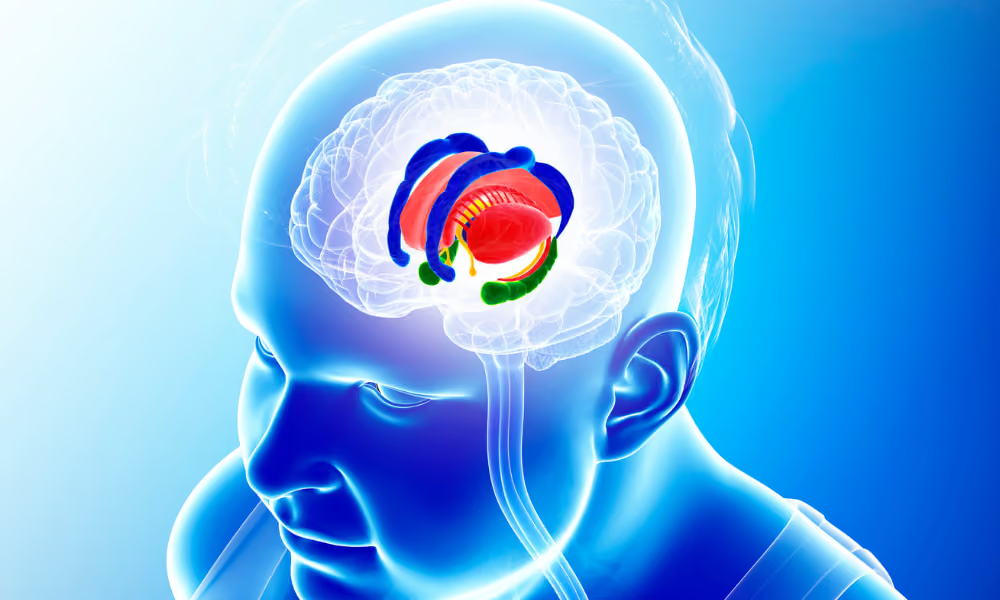
Limbic System Retraining: When Treatment Isn’t Enough
If you've plateaued despite antimicrobials, detox, or the "perfect" diet—your nervous system might be the missing piece. In this post, Dr. Teresa explores how brain retraining tools like Primal Trust™ can calm overactive fight-or-flight circuits, restore immune flexibility, and help patients finally move forward.

Start Here: The Habits That Help Your Body Heal
Before advanced testing or complex protocols, there’s a core set of lifestyle shifts that lay the groundwork for healing. In this guide, Dr. Teresa outlines the essential habits—hydration, food, sleep, air, and more—that regulate immunity, support detox, and restore energy in chronic illness.
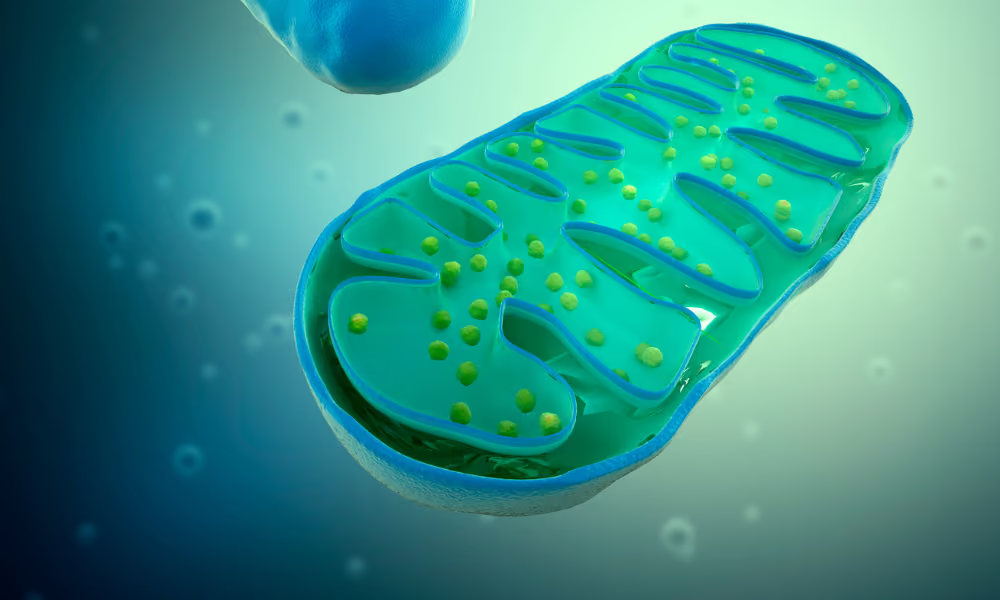
When Your Brain Can’t Get Folate: How Mitochondrial Dysfunction Blocks Healing in Chronic Illness
When Your Brain Can’t Get Folate—Even if Your Labs Say You’re FineIf every detox leaves you foggy, anxious, or exhausted, your mitochondria may be blocking a key nutrient from reaching your brain: folate. Dr. Teresa explains how mitochondrial dysfunction contributes to Cerebral Folate Deficiency—and how folinic acid and targeted support can gently unlock healing.
.avif)
Mitochondrial Mayhem: When to Repair, When to Protect—and Why It Matters in Chronic Infection
In chronic infections and IACIRS, energy crashes and hypersensitivity often signal deeper mitochondrial stress. Dr. Teresa walks you through how to assess, stabilize, and repair your mitochondria—so treatment becomes more tolerable, and healing actually sticks.
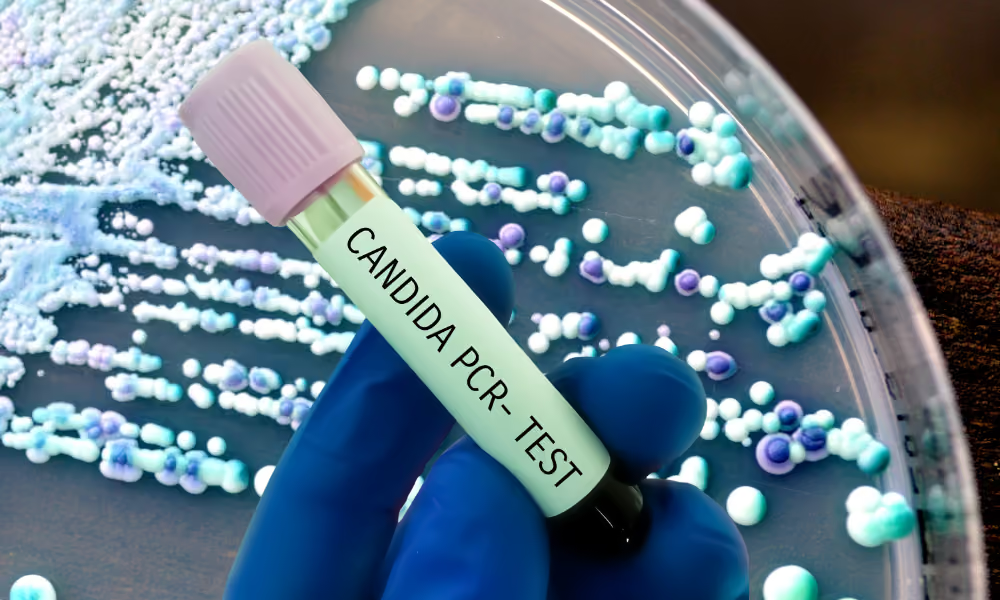
The Accidental Antifungals: Are Common Meds Quietly Treating Candida?
From statins to SSRIs, some common prescriptions appear to have antifungal side effects—whether doctors realize it or not. In this blog, Dr. Teresa explores how these “accidental antifungals” might explain symptom improvements in patients with chronic illness, and what it means for treating Candida on purpose.
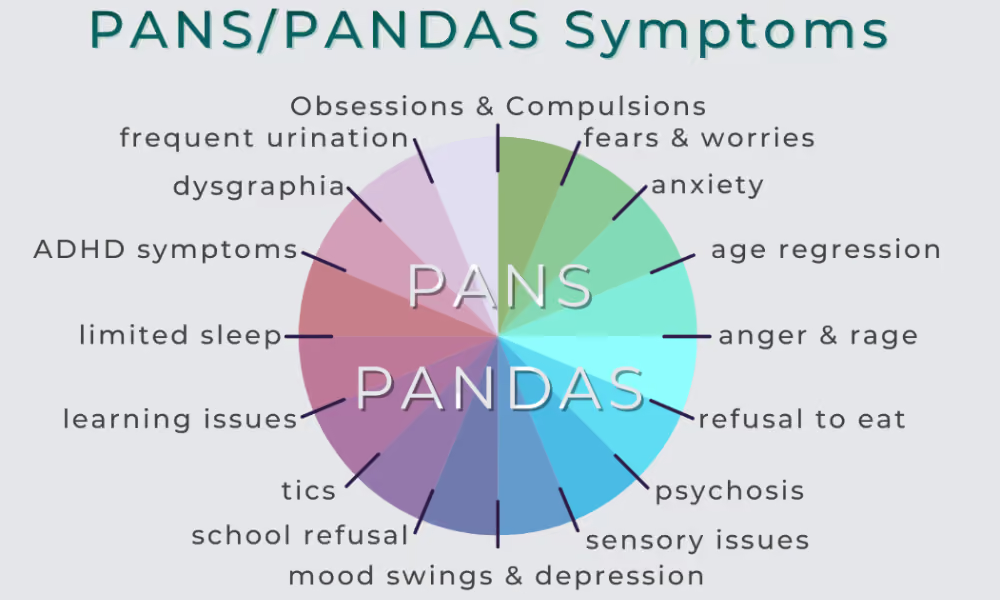
Why Many Doctors Don't Believe in PANS/PANDAS: The Clash of Paradigms
When a child’s psychiatric symptoms follow an infection, many parents suspect PANS/PANDAS—only to be met with medical skepticism. In this post, Dr. Teresa explores why the resistance runs deeper than data, and what needs to change in our understanding of brain-immune health.

The Biology of Belief: Why Mindset Matters More Than You Think
Mindset isn’t just emotional—it’s biological. In this post, Dr. Teresa explores how beliefs shape inflammation, hormones, and immune response, especially in complex chronic illness. Learn why protecting your peace is part of the treatment plan.

The Probiotic Paradox: Why Lactobacillus rhamnosus May Be the Only Safe Option in PANS/PANDAS
For children with PANS or PANDAS, even “gentle” supplements can backfire. In this post, Dr. Teresa explains why multi-strain probiotics often cause flares—and why Lactobacillus rhamnosus GG is the safest place to start.

Beyond TSH: Understanding Thyroid Health in the Context of CIRS and Chronic Infections
Fatigue, brain fog, and cold hands—but your TSH looks fine? In this post, Dr. Teresa explores why chronic infections and CIRS often disrupt thyroid signaling long before labs show it—and what real healing requires.
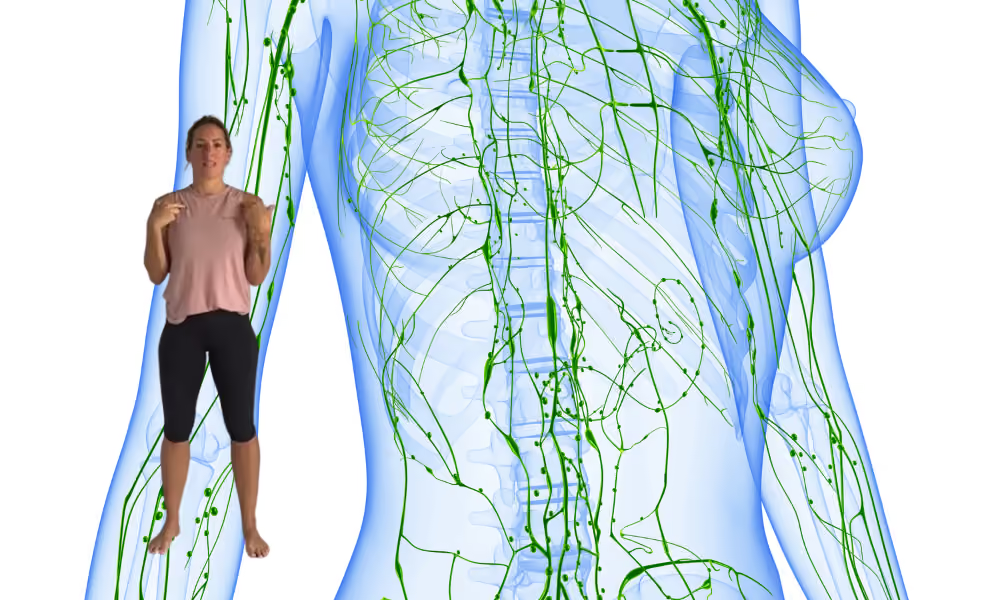
The Overlooked System: Lymph Flow in Chronic Illness and Recovery
Is Sluggish Lymph Holding Back Your Healing? Brain fog, puffiness, sinus congestion, and feeling worse after detox might not be random—they could signal lymphatic stagnation. In this post, Dr. Teresa shares practical tools to get your lymph moving and support deeper healing.

Understanding IL-6: The Inflammation Signal That Guides IACIRS Treatment
IL-6 is more than a lab number—it’s a real-time read on your immune system’s state. Dr. Teresa Birkmeier-Fredal explains how to use it as a guide in treating CIRS and IACIRS, and why understanding this signal can unlock real healing.
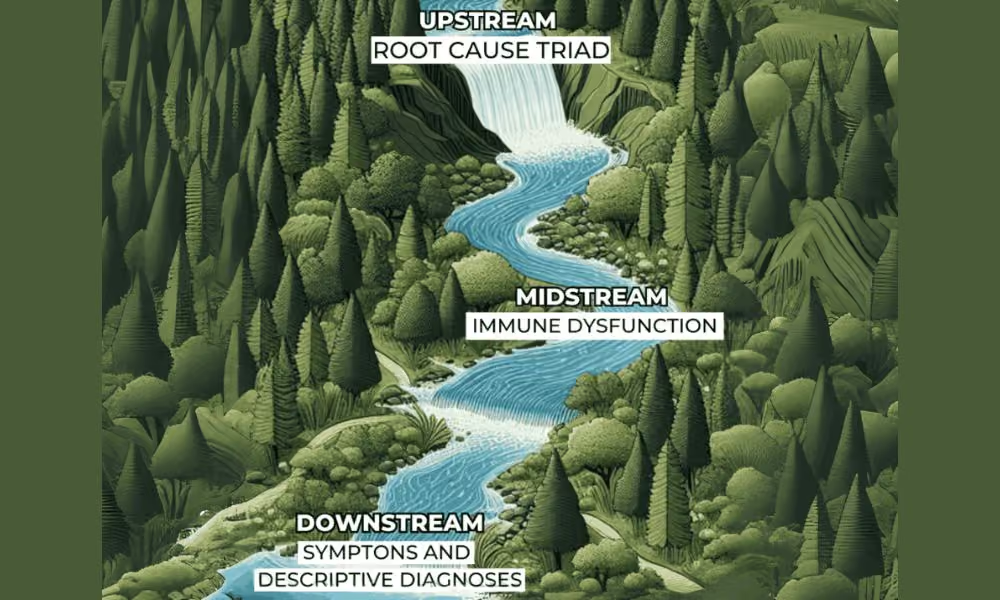
Tired of Chasing Symptoms? It’s Time to Walk Upstream
If you feel like you’re doing all the right things and still not getting better, you may be stuck downstream—managing symptoms without addressing the real causes. In this story-based post, Dr. Teresa Birkmeier-Fredal walks you through what it really means to heal at the root.
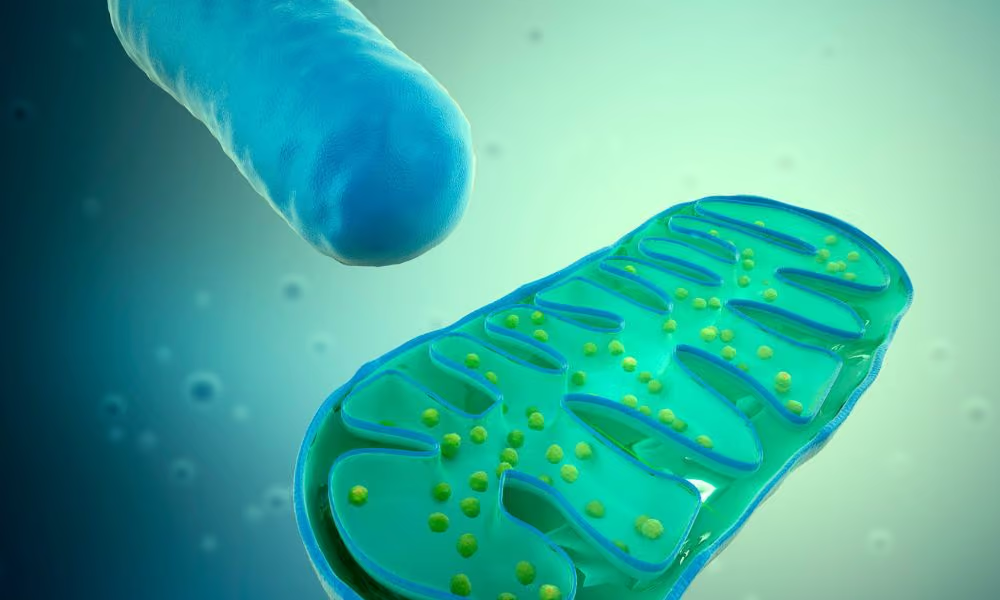
Understanding the Cell Danger Response: Why Healing Stalls and What to Do About It
What if your healing is stalled not because you're missing a treatment—but because your body still thinks it's in danger? Dr. Teresa Birkmeier-Fredal explains the science of the Cell Danger Response and how to help your system shift out of survival mode and into real recovery.

Why Gut-Focused Protocols Fall Short
Tried every gut protocol and still stuck? It might not be just your gut. Learn why true healing starts upstream—with your immune terrain, not your microbiome.

Uncovering the Hidden Infections: Lessons from the 2021 French VBI PCR Study
Standard blood tests missing something? This groundbreaking French study found that nearly 90% of chronically ill patients had detectable infections—many not Lyme. It’s not about testing harder—it’s about testing smarter. Learn what this means for chronic illness recovery and how sample type and timing can change everything.

When Sleep Tracking Backfires: The Hidden Cost of Chasing Perfect Sleep
Obsessed with your sleep score? You might be losing rest trying to perfect it. Discover how tracking can disrupt your sleep—and what actually works instead.

Can Low Dose Naltrexone (LDN) Help with Mast Cell Activation Syndrome (MCAS)?
For those struggling with Mast Cell Activation Syndrome (MCAS)—especially in the context of CIRS, mold illness, or chronic infections—Low Dose Naltrexone (LDN) offers a powerful midstream intervention. While it doesn’t address the root cause, it can reduce reactivity, lower inflammation, and make upstream treatment more tolerable. Learn how it works, what the research says, and whether it might be the missing piece in your healing strategy.

Biomarkers and Progress Tracking: What Your Labs Can (and Can’t) Tell Us
Lab work can be a helpful guide—but it's not the whole story. Learn which biomarkers we track in chronic illness, what they really tell us, and how your symptoms still lead the way.

Tick Bites: What You Need to Know—and Why Acting Quickly Matters
Bitten by a tick? Don't wait and wonder. Learn exactly what to do, what symptoms to watch for, and why early action can make all the difference.

Why Methylated B Vitamins Can Cause Flares in People with CIRS
Methylated B vitamins are often recommended for MTHFR mutations—but for patients with CIRS, they can backfire if introduced too soon. Dr. Teresa Birkmeier-Fredal explains why these “helpful” nutrients sometimes trigger flares—and how to support methylation safely and strategically.
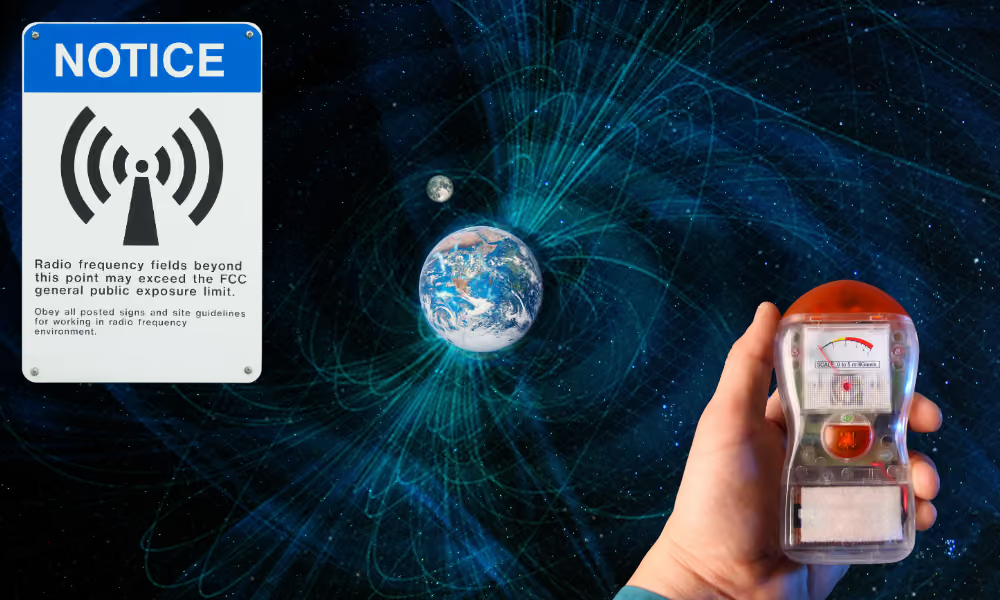
Microbial Load and EMF Sensitivity: Emerging Science, Practical Solutions
Are EMFs making chronic illness worse? Dr. Teresa Birkmeier-Fredal unpacks the emerging science on how electromagnetic fields may amplify microbial activity—and what you can do to protect your health without panic or overwhelm.

The GLP-1 Dilemma: Relief Today, Regret Tomorrow?
GLP-1 medications like Ozempic and Mounjaro offer short-term weight loss—but at what cost? Dr. Teresa Birkmeier-Fredal unpacks the risks, rebound effects, and why true healing requires more than symptom suppression. A must-read for anyone considering GLP-1s.
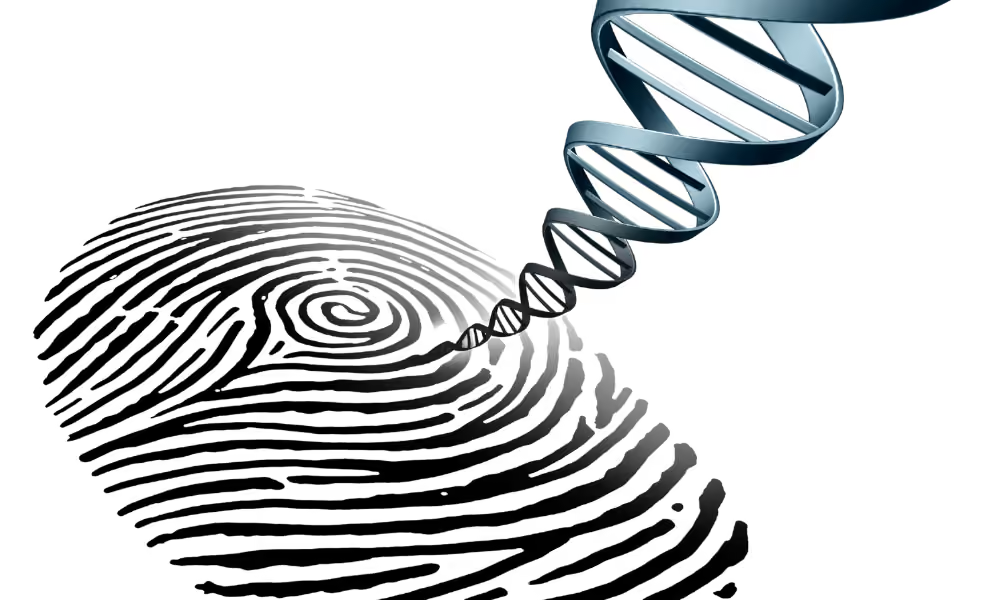
HLA Typing: A Map for Healing, Not a Life Sentence
Your genetics don’t seal your fate. In this post, Dr. Teresa Birkmeier-Fredal explains how HLA typing helps us understand immune response tendencies—not predict doom. Discover how this powerful tool guides personalized recovery after treating infections, toxins, and chronic stress.

MTHFR Mutations: What They Really Mean for Your Health
MTHFR mutations aren’t a health sentence—they’re a clue. Learn how to personalize your B12 and folate support to optimize methylation and energy naturally.
Spike Protein as a Biotoxin: Understanding the Risk and Exploring Ways to Support Your Body
Spike protein may linger like a biotoxin—fueling fatigue, inflammation, and immune imbalance. Learn how to support your body’s natural detox and recovery.

The High Cost of Daily THC Use: Why It’s a Band-Aid, Not a Solution
Daily THC might numb symptoms, but it stalls real healing. Learn why cannabis can block root cause recovery—and what to focus on instead.
Cerebral Folate Deficiency and Folate Receptor Autoantibodies: A Treatable Detail in a Bigger Root Cause Picture
Folate levels can look “normal” on labs—but not in the brain. Learn how this hidden imbalance may be driving developmental and neurological symptoms, and how to fix it.

RCC Labs: Direct Testing for Root Cause Clarity
Testing that actually means something. Discover how RCC Labs help decode symptoms and pinpoint toxins, microbes, and stress patterns driving illness.

Is “Digital ADHD” Hijacking Your Brain? Here’s What You Can Do About It
Feel scattered, unfocused, and constantly distracted? Your brain isn’t broken—it’s overwhelmed. Learn how to reset your focus in a digitally chaotic world.

The 16:8 Intermittent Fasting Guide: Eat, Fast, Thrive
Curious about intermittent fasting? Discover why the 16:8 method might boost your fat loss, brain power, and longevity—without the food stress.

Beyond Elimination: Why True Healing Isn’t About Restrictive Diets
If your healing plan feels like a lifetime of food restriction, it’s time for a rethink. True recovery means fixing root causes—not fearing every bite.
Is Autism Sometimes an Autoimmune Condition Triggered by Infections? A New Look at a Complex Puzzle
New research is revealing a surprising link between chronic infections, immune dysfunction, and autism spectrum symptoms. In this eye-opening article, Dr. Cynthia Libert explores how vector-borne pathogens, maternal health, and autoimmune encephalitis may play a hidden role in developmental regression—and what this could mean for prevention and healing.
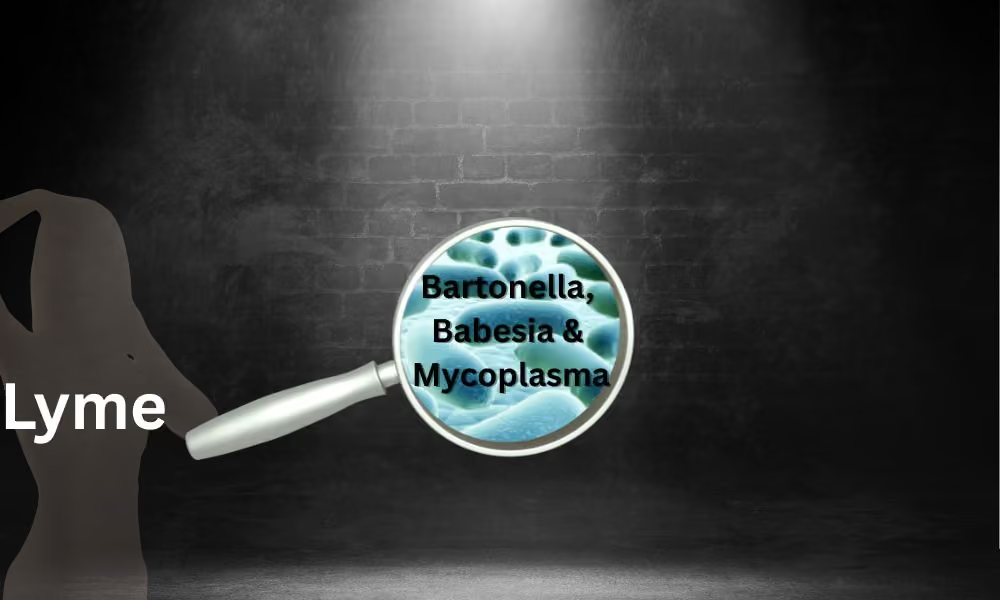
Shifting the "Lyme" Light: What Lyme Disease Is, What It Isn’t, and Why We Need a New Framework
Still stuck in the "Chronic Lyme" debate? It’s time to move beyond labels and focus on the real problem: persistent immune dysfunction driven by multiple infections.

Keeping an Eye on the Why: The Real Key to Healing
Diagnoses name the problem—but they rarely solve it. Real healing starts when you stop asking what you have and start asking why you have it.

Navigating Flare-Ups During CIRS Treatment: Finding the Sweet Spot
Feeling worse before you feel better? CIRS treatment can trigger intense flare-ups—but that doesn’t mean it’s not working. Here’s how to find your healing “sweet spot.”

Could Babesia Be Hijacking Your Brain?
Anxiety, air hunger, relentless insomnia—when nothing makes sense and nothing helps, it’s time to dig deeper. Could Babesia be the real culprit?

From Brain Fog to Psychosis: Could Bartonella Be the Missing Link?
Could a hidden infection be causing your mental health symptoms? From brain fog and panic attacks to full-blown psychosis, Bartonella is a stealth pathogen that's showing up in surprising places. Learn why researchers are connecting this bug to psychiatric illness—and how testing and treatment might offer new hope.

Could Lyme Disease Be Sexually Transmitted? The Possibility We Can’t Ignore
Most people think Lyme disease is only spread by ticks—but what if that’s not the whole story? In this post, Dr. Teresa Birkmeier-Fredal explores emerging research and clinical patterns that suggest intimate transmission may be possible. A must-read for anyone struggling with persistent Lyme symptoms or reinfection.

Risks and Benefits of antibiotics for VBIs
Are long-term antibiotics for Lyme and VBIs harmful or necessary? The answer isn’t black and white—context is everything.
Why Your SIBO Keeps Coming Back: The Hidden Role of Stress, Infections, and Toxins
SIBO isn’t just a gut issue—it’s a symptom of chronic stress, infections, and toxins. Fix the root cause to stop the cycle for good.