
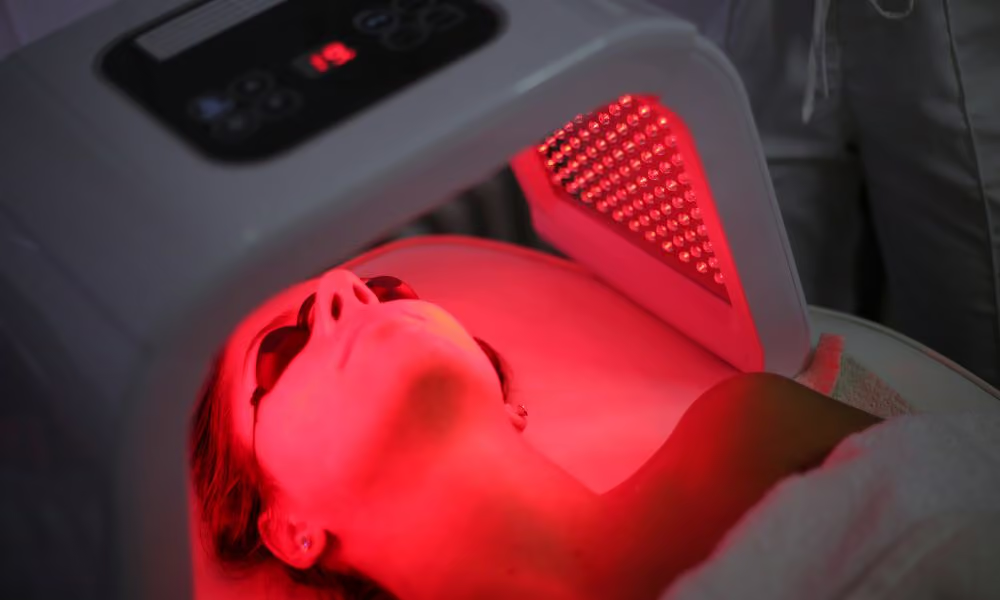
Understanding Red and Near-Infrared Light Therapy
Red and near-infrared light therapy have become increasingly popular in recent years, but beneath the trend is a quiet and steady body of research showing how these forms of light can gently support healing. Rather than acting as a stimulant or a quick fix, red and near-infrared wavelengths work by supporting the basic biology of the cell—especially the mitochondria, which influence energy, inflammation, immunity, and overall resilience. For people living with chronic symptoms, inflammation, or slower recovery, this type of therapy can offer a non-invasive way to help the body recalibrate.
Red light tends to influence the surface layers of the skin, while near-infrared light reaches deeper tissues such as muscles, joints, nerves, and even parts of the brain. Both forms of light work through a process called photobiomodulation. In simple terms, cells absorb light energy and use it to restore healthier function. When the mitochondria receive these wavelengths, they become more efficient at producing ATP—the energy molecule that fuels healing, cellular repair, and day-to-day vitality. This improvement in energy production often overlaps with a reduction in oxidative stress and inflammatory signals, which is why people may notice decreased pain, calmer tissues, and better recovery over time.
This mitochondrial support is one of the main reasons red and near-infrared therapies have been explored across so many conditions. Improvements in energy production and decreases in inflammation can influence pain, fatigue, metabolic health, brain function, and skin repair. People with chronic pain, joint stiffness, tendon injuries, or inflammatory skin conditions often report gentler movement and steadier healing when light therapy becomes part of their routine. Others notice better recovery after exercise or an overall sense of increased clarity and endurance. Because the therapy is non-invasive and works with the body’s natural processes, it can be used alongside other supportive approaches such as sauna therapy, targeted exercise, or detoxification strategies.
Integrating red or near-infrared light therapy into daily life is usually simple. Devices range from small handheld tools for specific areas to larger panels for broader support. Most sessions last ten to twenty minutes, several times per week, with the light placed a short distance from the body. Over time, this consistent exposure provides a steady signal to the mitochondria, helping them function more efficiently and allowing tissues to recover with less resistance.
For many people navigating chronic illness, inflammation, or slow healing, red and near-infrared light therapy offer a quiet but meaningful way to support the body’s internal balance. By strengthening cellular energy and easing inflammatory load, this therapy creates a foundation for deeper healing to take place. If you’d like recommendations that fit your specific health goals or guidance on how to incorporate this therapy into your routine, I’m happy to help.